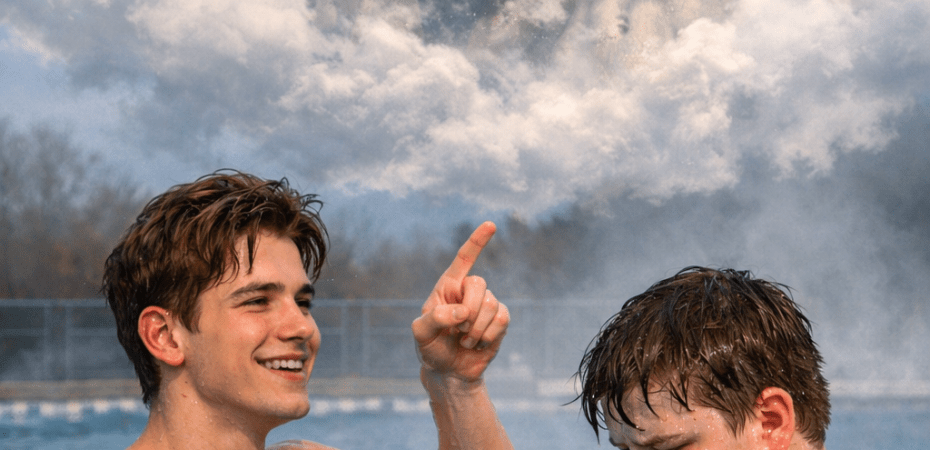
Every summer now follows the same dreary pattern. The temperature climbs above twenty-five degrees, the newspapers print photographs of people enjoying themselves at the seaside, and within hours the medical authorities emerge from whatever subterranean vaults they inhabit to warn us that the great ball of fire around which the Earth has revolved for the past four thousand five hundred million years is unexpectedly dangerous. We are told to hide in the shade and regard sunshine with the sort of nervous respect our ancestors were told to keep for unexploded German bombs.
The whole business has become a bore because there is just enough truth in the warnings to make them plausible, and rather too much exaggeration to make them trustworthy. I have no difficulty believing that spending every summer afternoon for forty years roasting yourself into the colour and texture of old orange peel is likely to have unfortunate consequences. On the other hand, I have never managed to persuade myself that ordinary exposure to sunlight is one of nature’s great mistakes. Our species evolved beneath the open sky. We did not evolve beneath the gloomy strip lighting that now illuminates most schools and shopping centres.
During the recent hot weather I decided to spend an afternoon at one of the few surviving outdoor swimming pools in Britain. There used to be hundreds of them. Most have vanished during the past fifty years, their sites have generally been sold to bent property developers by bent councillors, and covered with houses and blocks of flats designed to fall down before the unfortunate buyers have paid off their mortgages. Councillors call this regeneration. Councillors would call the demolition of The Albert Hall regeneration if they could replace it with enough “mixed-use executive apartments.”
This particular pool has somehow escaped destruction. It remains gloriously unfashionable: cold water, blue sky, proper sunshine, not a roof in sight. There is something deeply satisfying about swimming outdoors. Indoor pools always smell of chlorine and damp concrete. Outdoor pools smell of summer. The water reflects the sky instead of acoustic ceiling tiles. Every length seems easier. Even breathing feels different. For two hours I almost forgot that I still lived in modern Britain. Well, I might have done but for the other people there. If I have never accepted the blanket claim that ordinary sun exposure causes cancer, lack of sun certainly contributes to ugliness. The words “physically sick” came to mind as I surveyed the bulging, saggy flesh on display. Even those with naturally dark skin were a disgusting sight. The sun is no cure for the natural consequences of idleness and a diet of industrial poison, but it would at least make those consequences less immediately culpable by lending a bit of colour and definition.
Being me, I naturally spent part of my visit admiring myself. Do I feel embarrassed to admit this? Not at all. Vanity, I should explain, is much misunderstood. The Christian tradition lists it among the deadly sins. But I have never been especially interested in Christian morality. Vanity only becomes absurd if detached from reality. It is ridiculous for an ugly person to imagine himself beautiful. It is equally ridiculous for a lazy person to imagine himself athletic. But where appearance has been earned through sustained effort, a degree of satisfaction strikes me as entirely reasonable. If I have spent years swimming, lifting weights, watching what I eat and generally refusing to poison myself with what passes for most other people as food, why should I pretend not to enjoy the result?
The body is one of the few honest records of character still available to us. Politicians lie. Journalists lie. School reports lie. University degrees increasingly lie. Your own body is much less accommodating. It records every excess, every discipline, every excuse and every worthwhile decision with relentless impartiality. You may deceive yourself for years. Your reflection rarely joins the conspiracy.
But I return to the matter of sunlight. The official position is simple. The sun causes skin cancer. Therefore avoid the sun. The truth is less simple. Dr Gabb may disagree, but smoking causes lung cancer. It also happens to damage almost every organ in the body. That relationship is overwhelmingly obvious to anyone who did not spend his earlier life supporting Chris Tame’s endeavour to take money from the tobacco companies. Sunlight is more complex. It undeniably burns skin if abused. It also enables vitamin D production, regulates sleep, improves mood for many people, and has been valued as beneficial since long before the invention of modern dermatology. Ancient physicians recommended sunlight. Victorian physicians established sanatoria where patients spent hours outdoors. Now we are encouraged to behave like unusually anxious mushrooms. Perhaps the truth is what common sense has always suggested: that deficiency and excess are both undesirable.
I have already said that that my own attitude to the sun is not entirely philosophical. It is also aesthetic. Nothing looks healthier than lightly tanned skin. The Greeks knew this. Walk through the sculpture galleries of any decent museum and it becomes obvious that the white marble we admire today was originally painted in warm flesh tones. Human beings simply look more alive with a little colour than they do after six months of the average British winter. The face acquires definition. Muscle tone becomes more obvious. You look healthier even before any actual health benefit is considered.
Unfortunately, the same sunlight that produces this agreeable effect also has that old orange peel effect. So I compromise. I enjoy the Mediterranean whenever circumstances permit. I swim outdoors whenever Britain offers weather worth the effort. I avoid burning. And when I want the appearance of deeper colour without another fortnight beneath the ultraviolet furnace, I quietly apply fake tan. Some may find this inconsistent. I find it rational. You should never confuse means with ends. My object is not to accumulate ultraviolet radiation. My object is to remain as attractive as possible for as long as possible. If chemistry allows me to obtain the appearance without incurring the whole biological cost, why should I object? Human civilisation consists of discovering clever ways to achieve desired results more efficiently than nature allows.
The authorities increasingly behave as though the natural world were a sequence of hazards requiring bureaucratic supervision. Salt is dangerous. Butter is dangerous. Eggs are dangerous until they become healthy again. Coffee kills you every third Thursday. Wine is poison. Red meat is poison. The sun is poison. Before long they will discover that oxygen has unfortunate side effects if consumed continuously for eighty years. Forgive me if I become sceptical.
My policy therefore remains unchanged. I will continue swimming outdoors whenever I find a surviving lido. I will continue escaping to the Mediterranean whenever opportunity permits. I will continue taking pleasure in a healthy tan, whether acquired naturally or with discreet assistance from a bottle. And I shall continue suspecting that the civilisation which teaches children to fear the sun while spending six hours each day listening to the fat, stinking toads who infest every school staffroom in England has misunderstood something fundamental about what it means to be human.

Discover more from The Libertarian Alliance
Subscribe to get the latest posts sent to your email.